An ADU contractor’s read on San Jose’s ambitious ADU rulebook.
Two-story ADUs, zero side setbacks, no bedroom limits, same-day permits, and the state’s first program for selling an ADU as its own condo — San Jose has leaned into ADUs harder than any Bay Area city. We’re an ADU contractor building across the Bay Area and taking on projects here in the South Bay; this guide covers how San Jose’s unusually rich system actually works, whether you’re after a rental, a granny flat, or a unit you can one day sell.
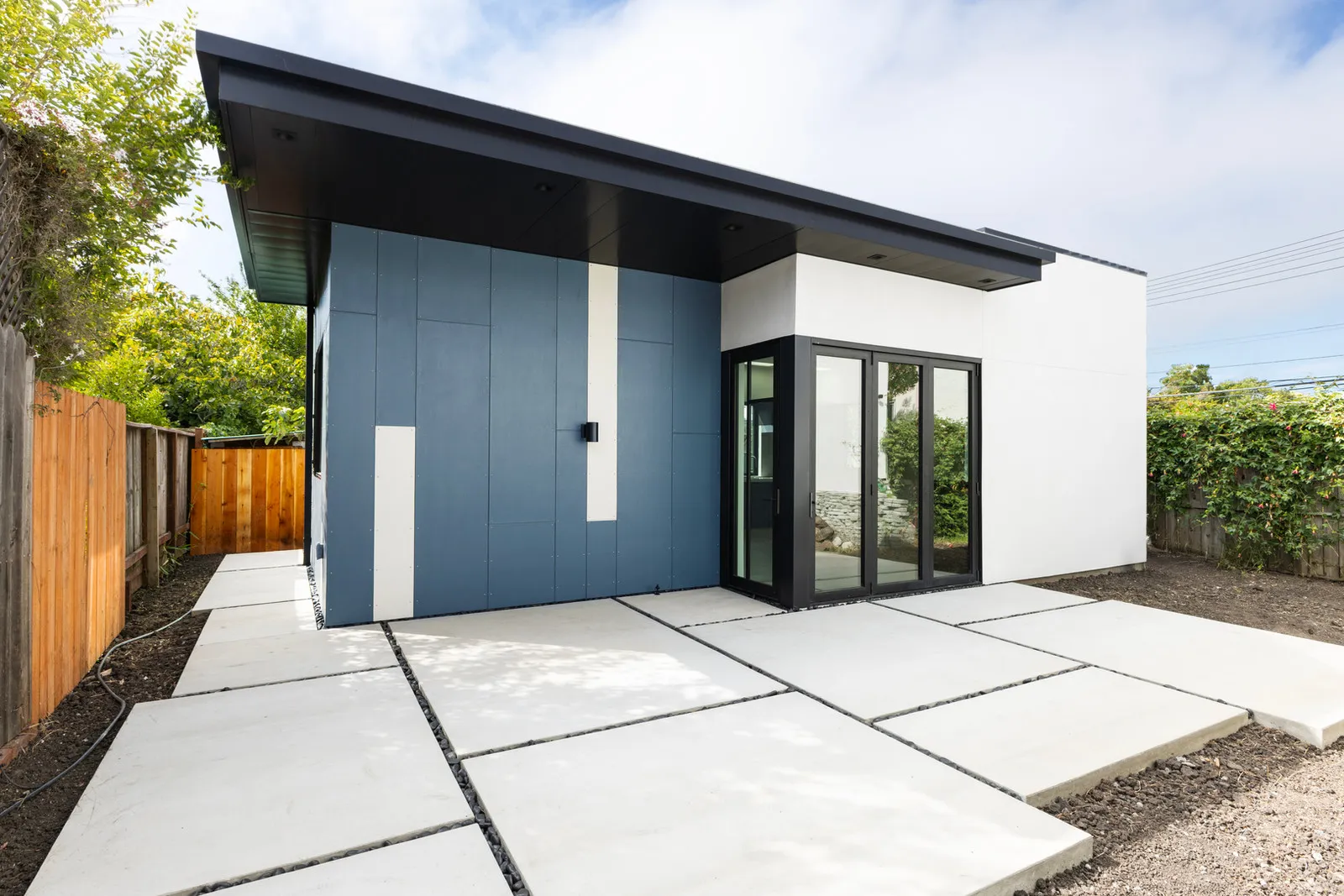
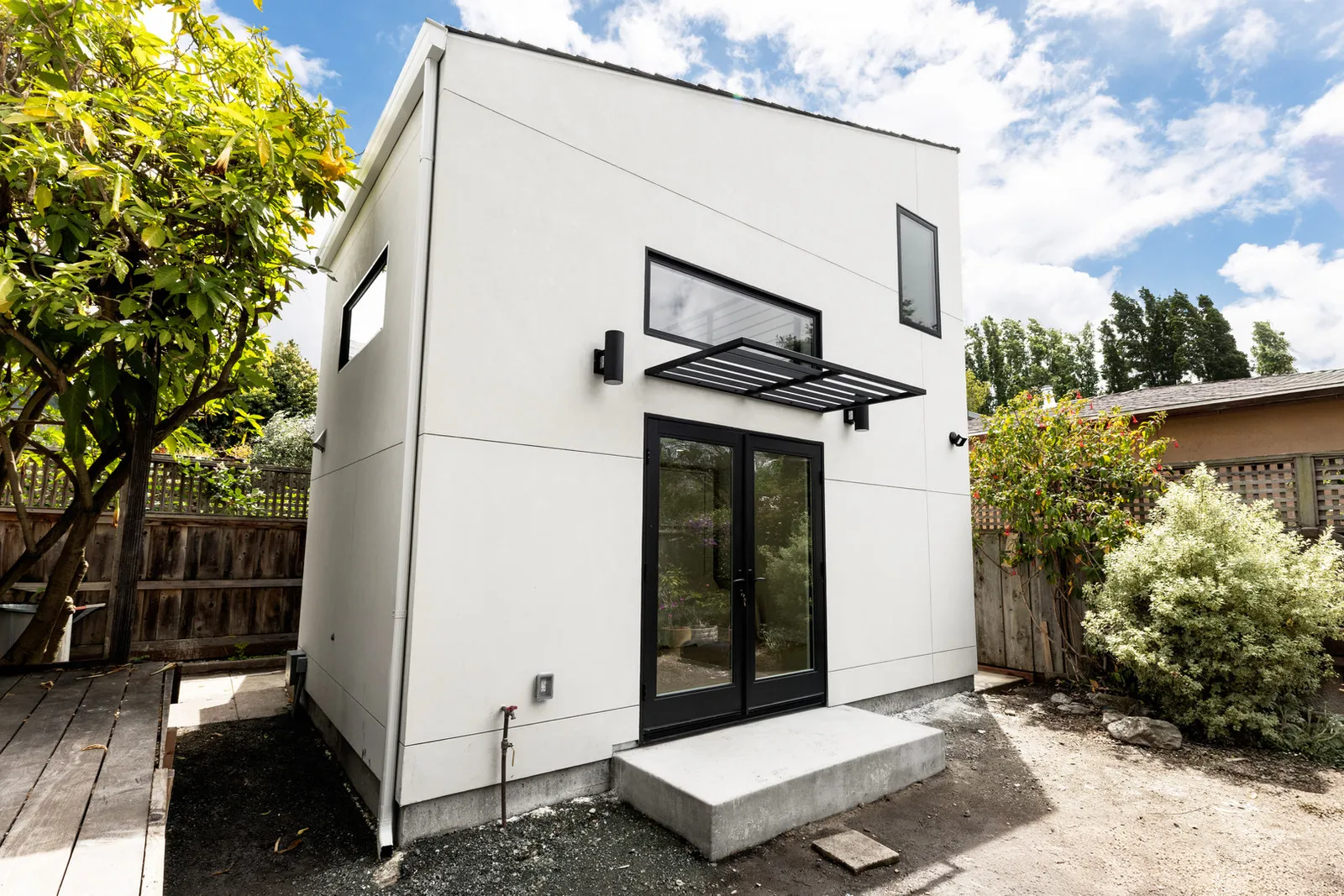
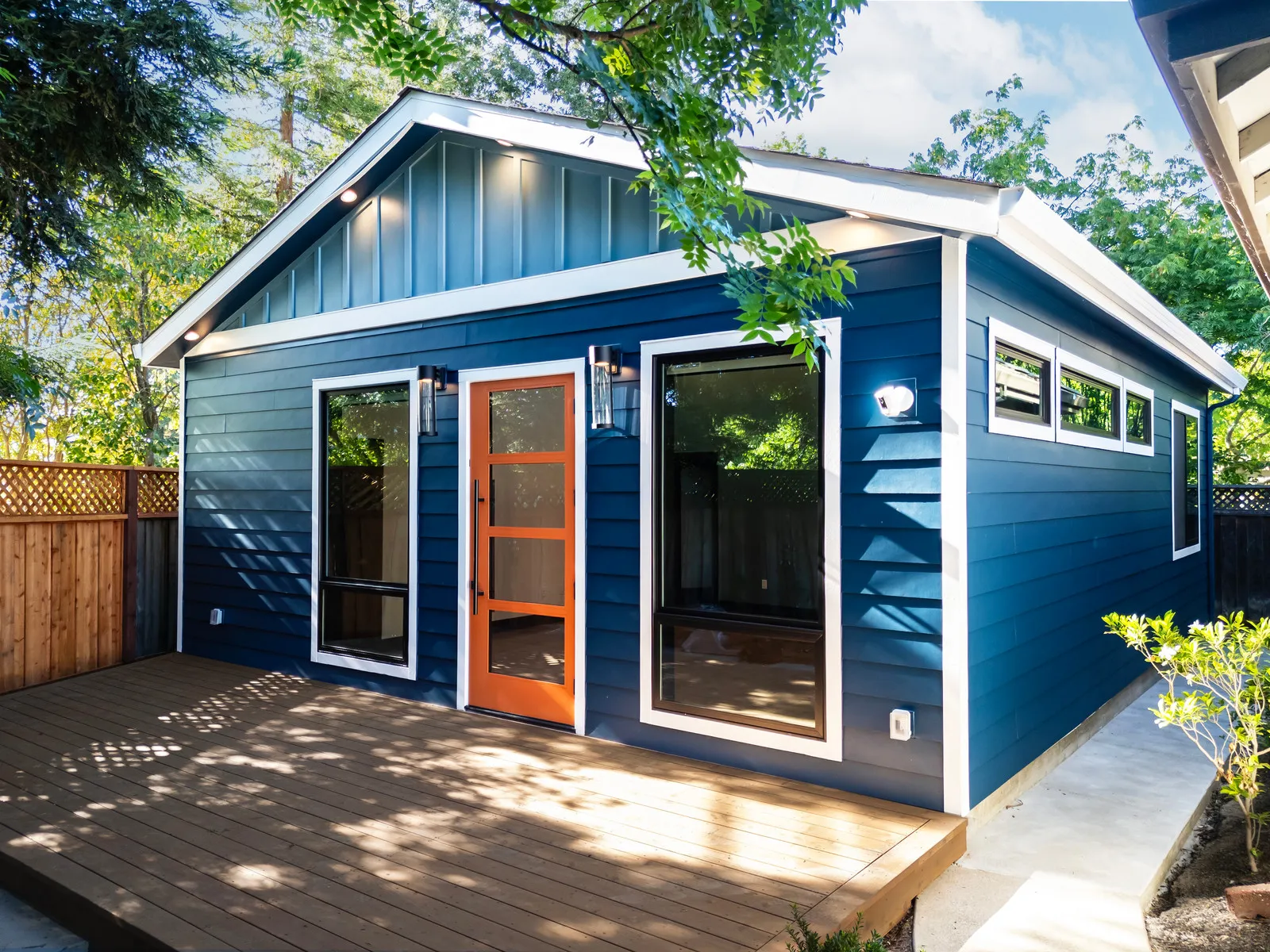
What it's actually like to build here.
San Jose treats ADUs as core housing policy, and it shows everywhere: a dedicated ADU concierge at the permit counter (the “ADU Ally”), a specialized permitting track, a preapproved-plan program with same-day permit issuance, and thousands of units permitted since 2019. For homeowners, that translates into the smoothest big-city ADU process in the Bay Area — if you work the city’s checklists the way they’re designed.
The structural thing to understand first: San Jose runs two parallel rulebooks. When you apply, you choose either the city’s own standards or the state’s standards, and you can’t mix and match. The city track is dramatically more generous on size and form — up to 1,200 square feet on larger lots, two full stories at 25 feet, zero side and rear setbacks for a single story, no cap on bedrooms — but it comes with siting rules, chiefly that the ADU sits behind the main house or at least 45 feet back from the front property line. The state track is smaller (800 square feet) but nearly free of siting and design conditions. Choosing the right track for your lot is the first real design decision.
Below: the process, the fee thresholds, the fire-letter trap that causes more delays than anything else, and the AB 1033 condo conversion program that makes San Jose the one city where your ADU can eventually be sold on its own.
San Jose ADU rules, summarized.
City standards (bigger, taller, zero setbacks, siting rules) or state standards (800 sq ft, fewer conditions). The tracks cannot be mixed.
On lots over 9,000 sq ft; 1,000 sq ft on smaller lots. No maximum bedroom or bathroom count — building and fire codes govern.
Under city standards. Single-story units can sit with zero side and rear setbacks; second stories hold 4 ft.
Typical first-round building review, per the city’s own FAQ — and preapproved-plan projects can get same-day permit issuance.
A letter from your water company showing 1,000 gpm at 20 psi at the nearest hydrant is required — the city calls missing letters its top cause of permit delays.
San Jose was California’s first big city to allow ADU condo conversions — the first arms-length ADU condo sale in the state closed here.
Checked against San Jose's published rules as of July 2026. Cities update their ADU standards regularly — always confirm current requirements with San Jose's planning and building departments, and we re-verify everything against the current code at the start of every project.
Pick your rulebook: city standards vs. state standards
San Jose codified both the state’s ADU rights (Municipal Code 20.80.176) and its own more ambitious local standards (20.80.175), and every application commits to one or the other in full. The city track is where the headline numbers live: detached units up to 1,000 square feet on typical lots and 1,200 on lots over 9,000 square feet, two stories up to 25 feet, zero side and rear setbacks at the first story, no bedroom or bathroom maximums, and no parking required. The trade: the unit must sit behind the primary home or at least 45 feet from the front property line, rear-yard coverage caps at 40%, and the ADU keeps 6 feet of separation from the house.
The state track flips those trade-offs — an 800-square-foot unit with 4-foot setbacks and 18 feet of height, but essentially no siting conditions, and one genuinely valuable quirk: on a historic property, the state track applies no additional design standards at all, where the city track imposes its historic design rules. For a corner lot, a shallow lot, or a designated historic home, the smaller rulebook is often the smarter one.
Both tracks require no parking anywhere in the city, and San Jose has no minimum lot size for ADUs. On typical postwar San Jose lots, the practical constraint is usually the 40% rear-yard coverage and the behind-the-house rule rather than the square-footage cap.
The most ADU-ready permit counter in the Bay Area
San Jose built infrastructure around ADU permitting that other cities don’t have. The ADU Ally is a dedicated staff contact who gives free feedback on a concept — send an address, a site sketch, and rough plans before spending real design money. The ADU Universal Checklist (Bulletin 210) is the mandatory front door: it walks the property through qualification, hazard designations, standards, fire safety, and trees, and an application that follows it moves fast. The city’s own FAQ says first-round building review typically takes 20 business days, and clean plans get through in one or two cycles.
The fastest lane is the preapproved-plan program: standard plan sets already reviewed by a dedicated city team, with same-day permit issuance available when your site-specific documents are complete. The catch is eligibility — lots in geohazard, landslide, flood, or wildland-fire zones don’t qualify, and the approved vendor list is short and changes, so check the live page before planning around it.
A candid note on who pulls the permit: the city itself recommends the contractor hold it, since the permit-holder carries the liability. That’s how we run our projects as a matter of course.
The fire letter, the old pool, and other checklist traps
San Jose’s fire-safety requirements generate more surprises than its zoning. Every ADU must sit within 200 feet of the street curb along a 3-foot clear path and within 600 feet of a hydrant — beyond that, you’re into a fire variance with added safety measures. And the big one: your building permit application must include a letter from your water company documenting 1,000 gallons per minute at 20 psi from the nearest hydrant. The city’s checklist says in so many words that applicants who wait on this letter are the main reason permits get delayed. We request it the week a project starts.
Sprinklers follow two rules: if the main house is sprinklered, the ADU must be too, and an attached ADU over 500 square feet that pushes the combined building past 3,600 square feet triggers sprinklers throughout the whole structure — a threshold worth checking before falling in love with a large attached design.
Two very San Jose lot conditions: a demolished swimming pool under the backyard (common in this housing stock) means documentation or a geotech report plus an engineered foundation before you build over it, and any active code-enforcement case on the property blocks ADU plan intake until it’s resolved. Add the tree rules — removing a 38-inch-circumference or heritage tree needs its own permit — and the value of a careful site assessment before design is obvious.
Fees, and the option no other city offers: selling the ADU
Fees follow the state framework: under 750 square feet, no impact fees at all; at 750 and above, school fees and San Jose’s location-dependent parkland impact fees apply, and the permit won’t issue until they’re paid. The city publishes an online building-fee estimator, which we run per-project rather than quoting folklore. One current oddity worth knowing: enforcement of San Jose’s natural-gas ban is paused, so ADUs may currently be designed with gas — though all-electric is encouraged and, in our experience, the better building.
The genuinely unique feature is AB 1033 condo conversion. San Jose was the first major California city to adopt it: a permitted ADU can be converted into a legally separate condominium through a parcel-map process with Public Works, complete with CC&Rs and its own standalone address — and then sold. The first arms-length sale in the state closed here: a 749-square-foot backyard ADU that sold for $530,000. For homeowners, that changes what a backyard building can be — not just rental income, but a separable asset. It’s a real process with real steps (and an HOA structure between the two units), so it belongs in the plan from the start if separate sale is the goal. We break down how the law works statewide — and which cities have opted in so far — in Can you sell your ADU separately in California?
San Jose ADU questions, answered.
Should I use San Jose’s city standards or the state standards?
How fast can I get an ADU permit in San Jose?
Can I build a two-story ADU?
What actually delays San Jose ADU permits?
Can I really sell my ADU separately from my house?
What are the rental rules?
Official San Jose ADU resources.
- City of San José — ADU information hub
- City of San José — ADU universal checklist (Bulletin 210, PDF)
- City of San José — preapproved ADUs
- City of San José — ADU condominium conversions (AB 1033)
- City of San José — building fee estimator
Links verified July 2026. This guide is general information, not legal or permitting advice — rules change, and every property is different. Before making decisions, confirm current requirements with San Jose's planning and building departments through the official resources above.
Thinking about an ADU in San Jose?
Tell us about your lot and what you want to build. We'll give you a straight read on feasibility, budget, and what San Jose's process will look like for your property.